01 / 08
Our Beginning
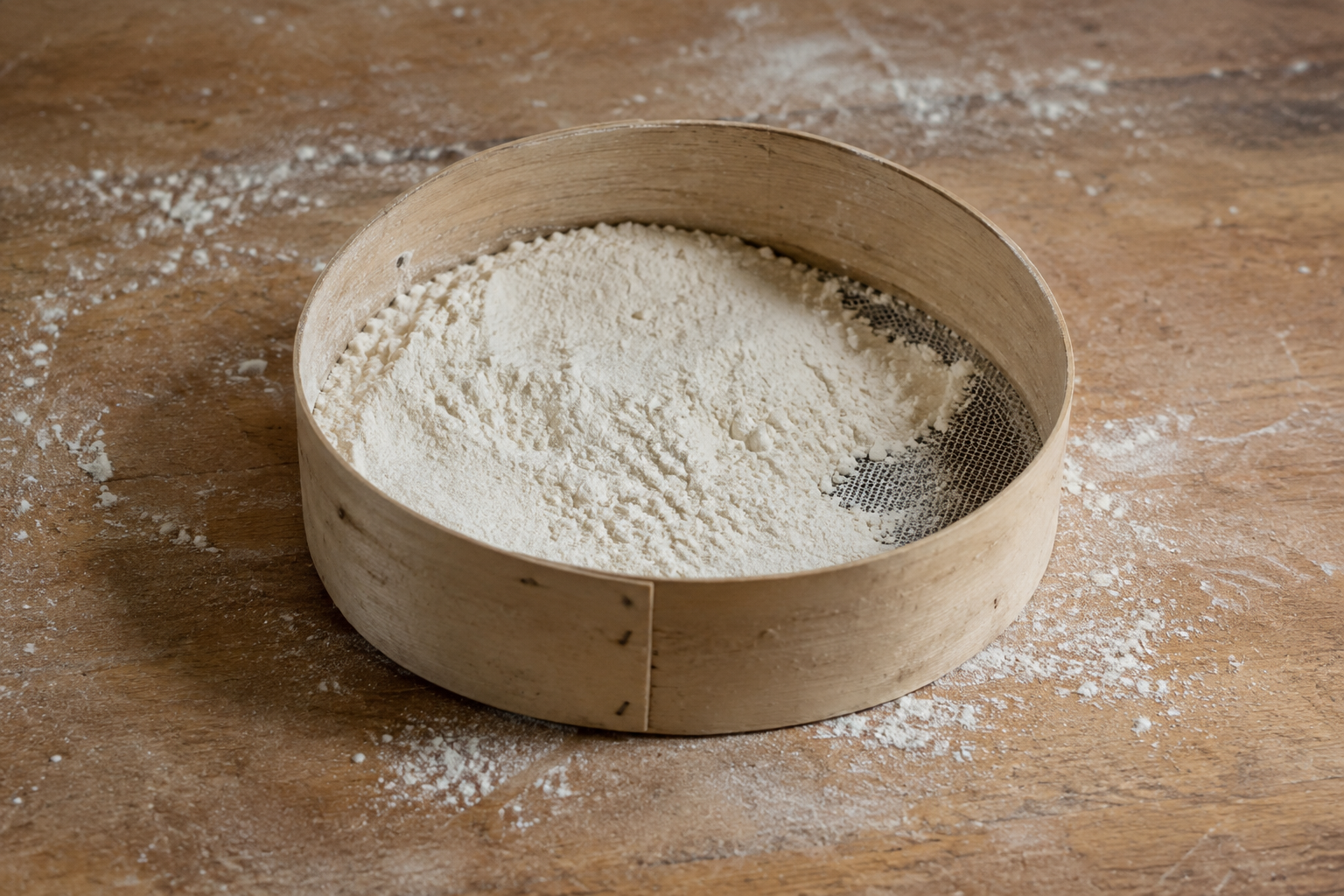
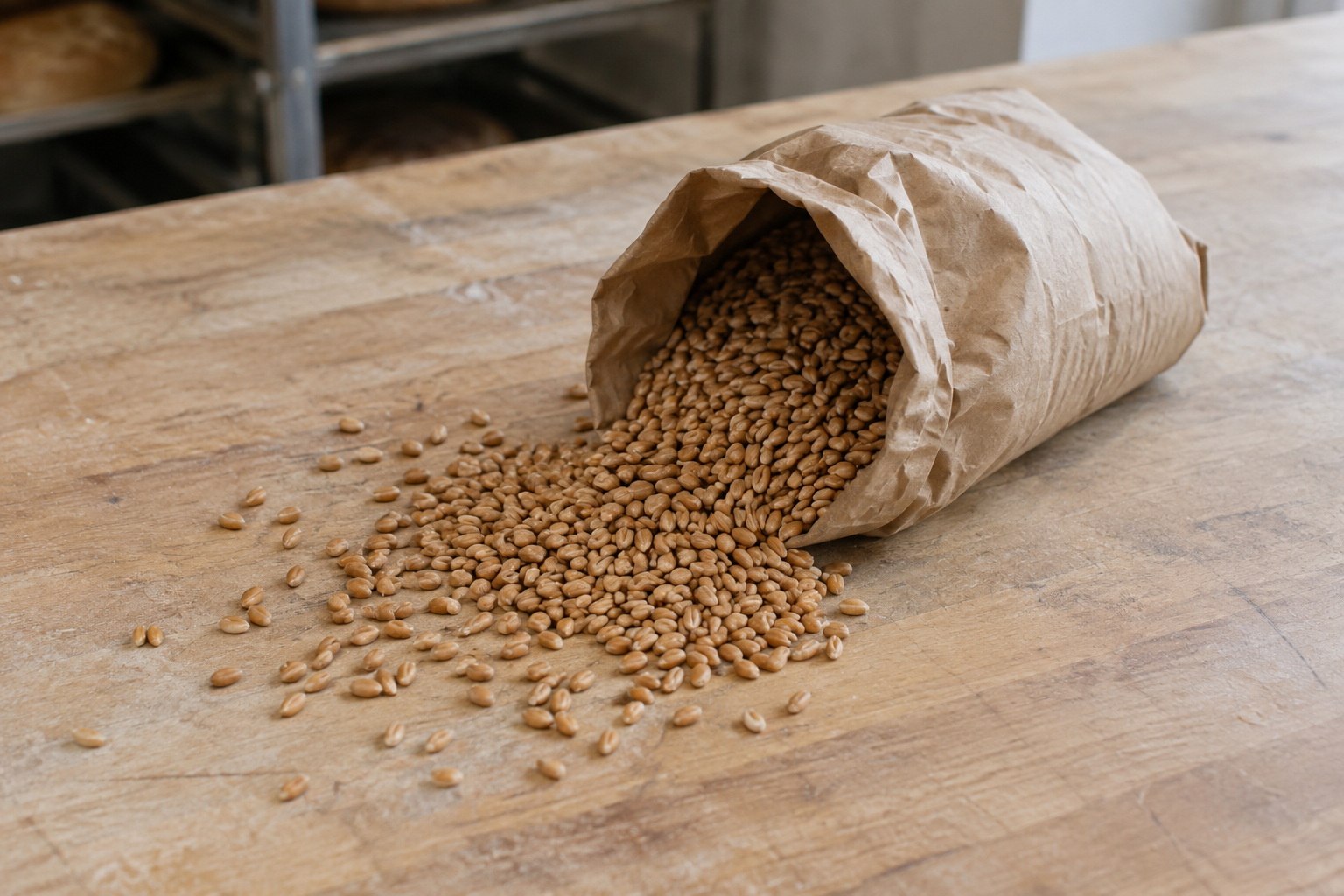
Flour is the starting point for every loaf we bake. A loaf takes shape long before fermentation begins. Its flavour and texture start with the flour, the grain, and the mill we choose. Flour influences the way dough develops, ferments, and tastes after baking. That is why we choose our flour with care, every day.
02 / 08
Our Milling Partner
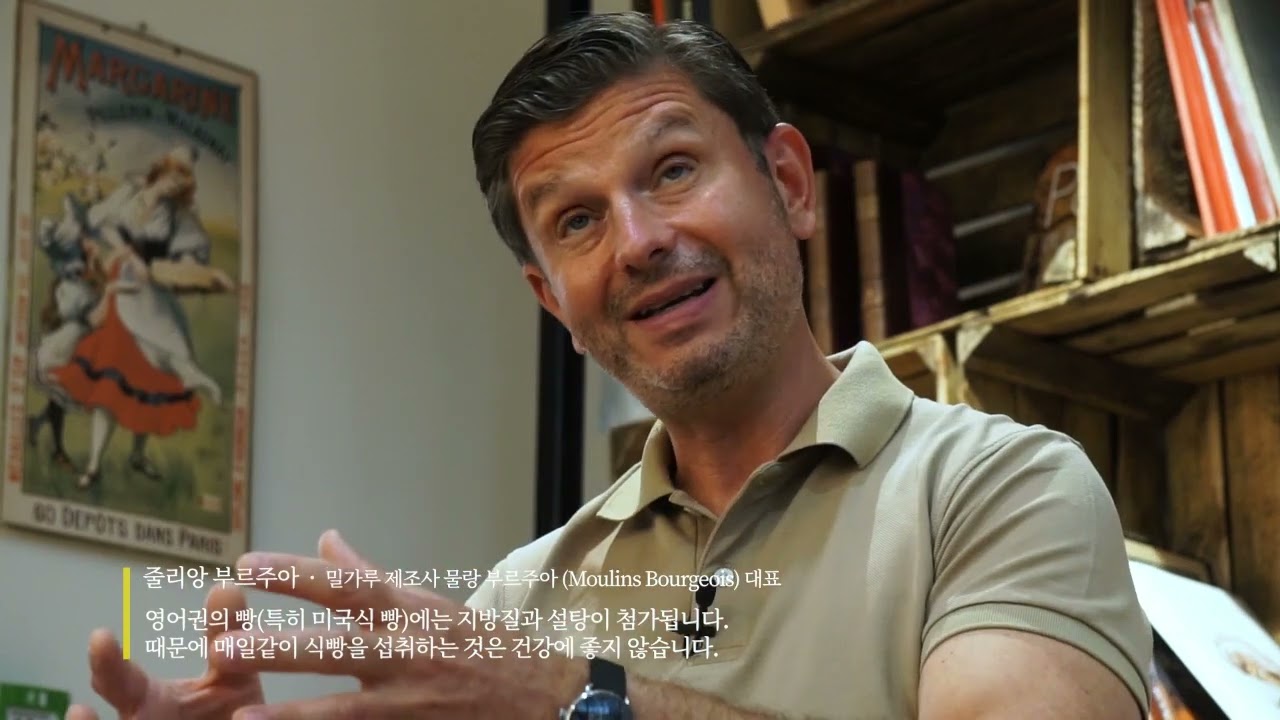
Moulins Bourgeois
Founded in 1895 · France
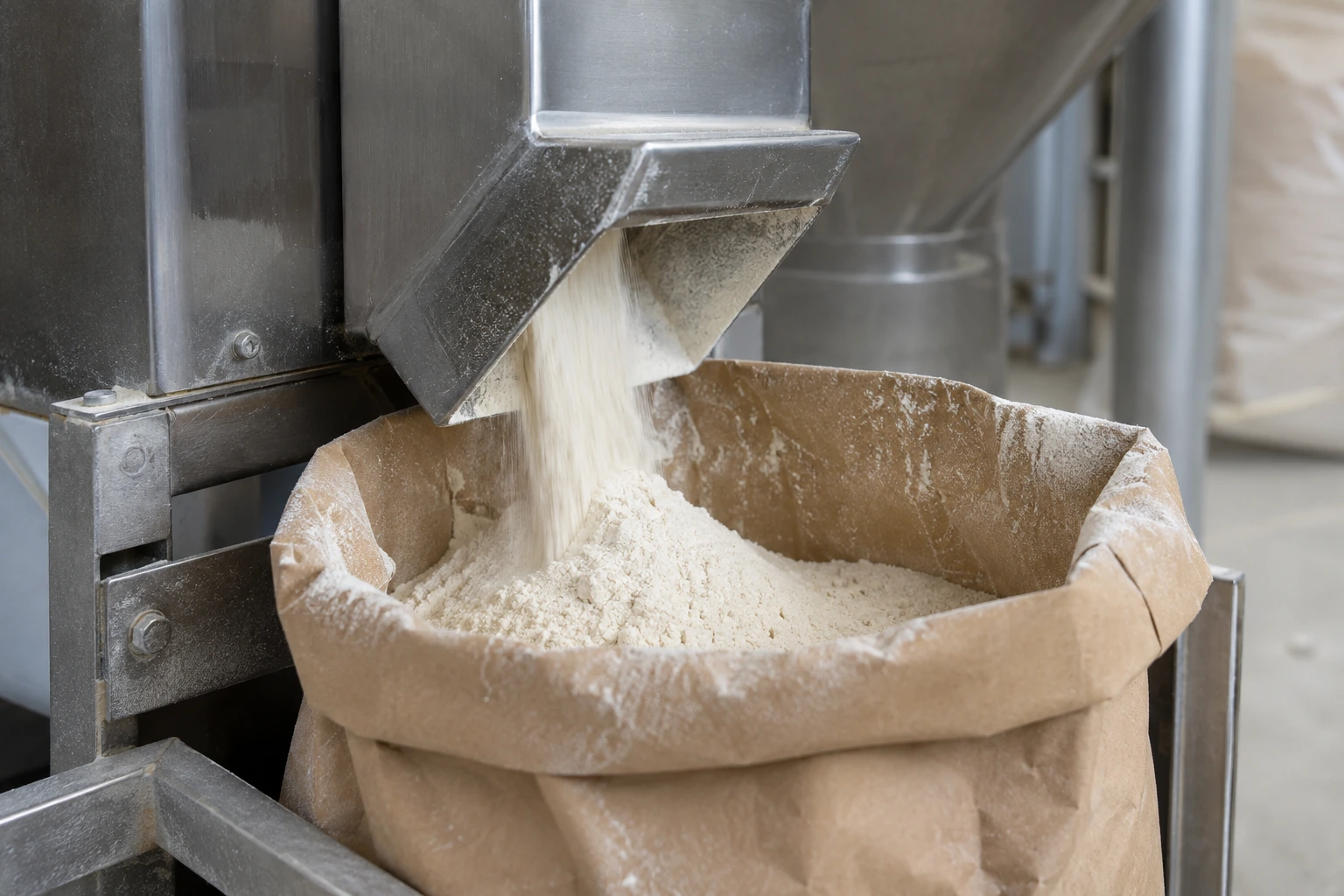
BORISSOU PARIS sources its primary flour from Moulins Bourgeois, a historic French miller with more than a century of expertise in traditional milling. Established in 1895, Moulins Bourgeois has built its reputation by preserving the natural character of French wheat while maintaining exceptional consistency and purity. The mill values traceable grain, healthy soil, and lasting relationships with farmers.
Visit Moulins Bourgeois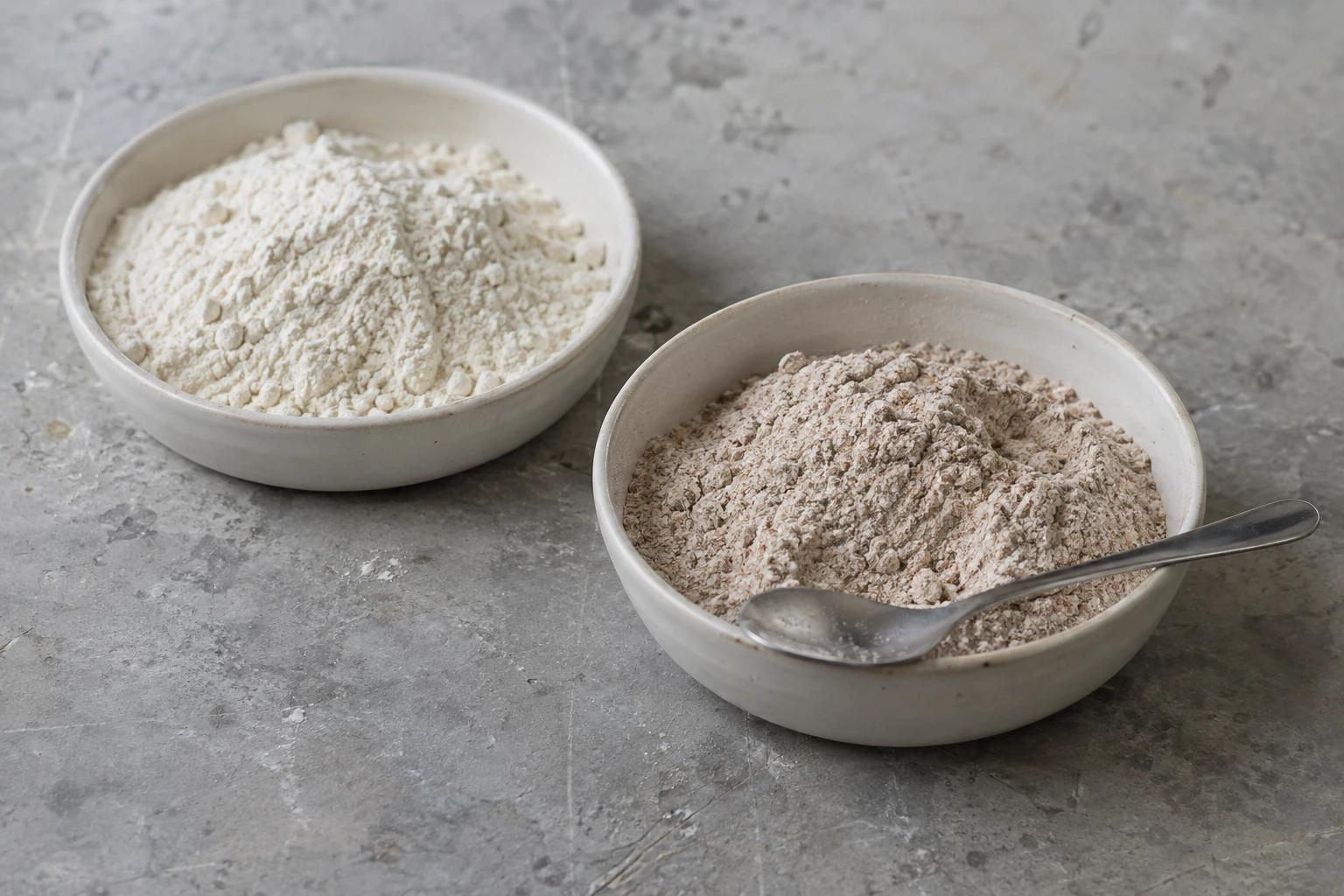
03 / 08
Milling Philosophy & Standards
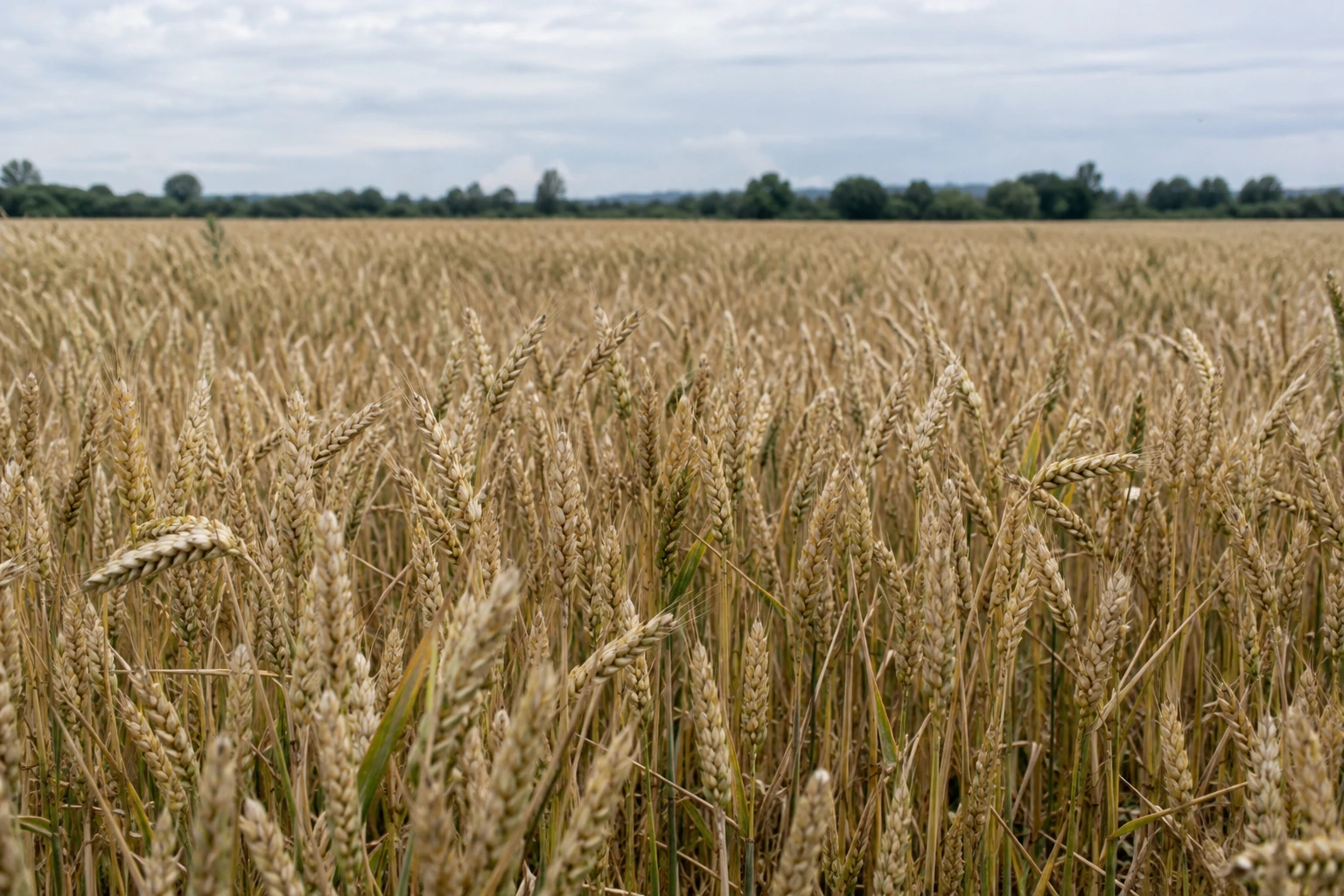
Moulins Bourgeois works exclusively with 100% French-grown wheat, ensuring complete traceability from field to flour. Every step of the milling process is designed to protect ingredient integrity rather than maximize efficiency.
Their standards include:
- Full control over grain sourcing and milling
- Strict separation between organic and conventional flour
- No genetically modified grain
- A team dedicated to supporting artisan bakeries
This shared approach helps us carry French breadmaking traditions from the source of our flour to each finished loaf.
04 / 08
Organic Commitment
EU Organic (Euro Leaf) Standard
We select organic flour that meets EU organic certification standards.
The standards include:
- A minimum of 95% certified organic agricultural ingredients
- Thorough verification of all remaining components
- No use of genetically modified organisms (GMOs)
- Continuous evaluation of soil sustainability, biodiversity, and environmental responsibility
Our choice of organic flour reflects our care for the land, the farmers, and the people who enjoy our bread.
About the EU organic standard
05 / 08
Ancient Grains & Grain Diversity
Grains with Character
Modern wheat varieties have been developed for yield and consistency. We also value the range of flavours and textures offered by other grains. Ancient grains have a long history of cultivation and distinctive characteristics. They give us different ways to explore flavour, texture, and the craft of breadmaking.
At BORISSOU PARIS, we work with ancient grains such as:
Einkorn (Petit Épeautre): a grain with a long history and a distinctive nutty flavour.
Kamut (Khorasan wheat): a grain we choose for its rich, rounded flavour.
These grains offer:
- Distinctive grain structure
- A variety of grain characteristics
- Texture developed through fermentation
- A range of individual flavours
Grain diversity enriches our table and keeps more breadmaking traditions alive.
06 / 08
Flour, Fermentation & Time
Letting Nature Do the Work
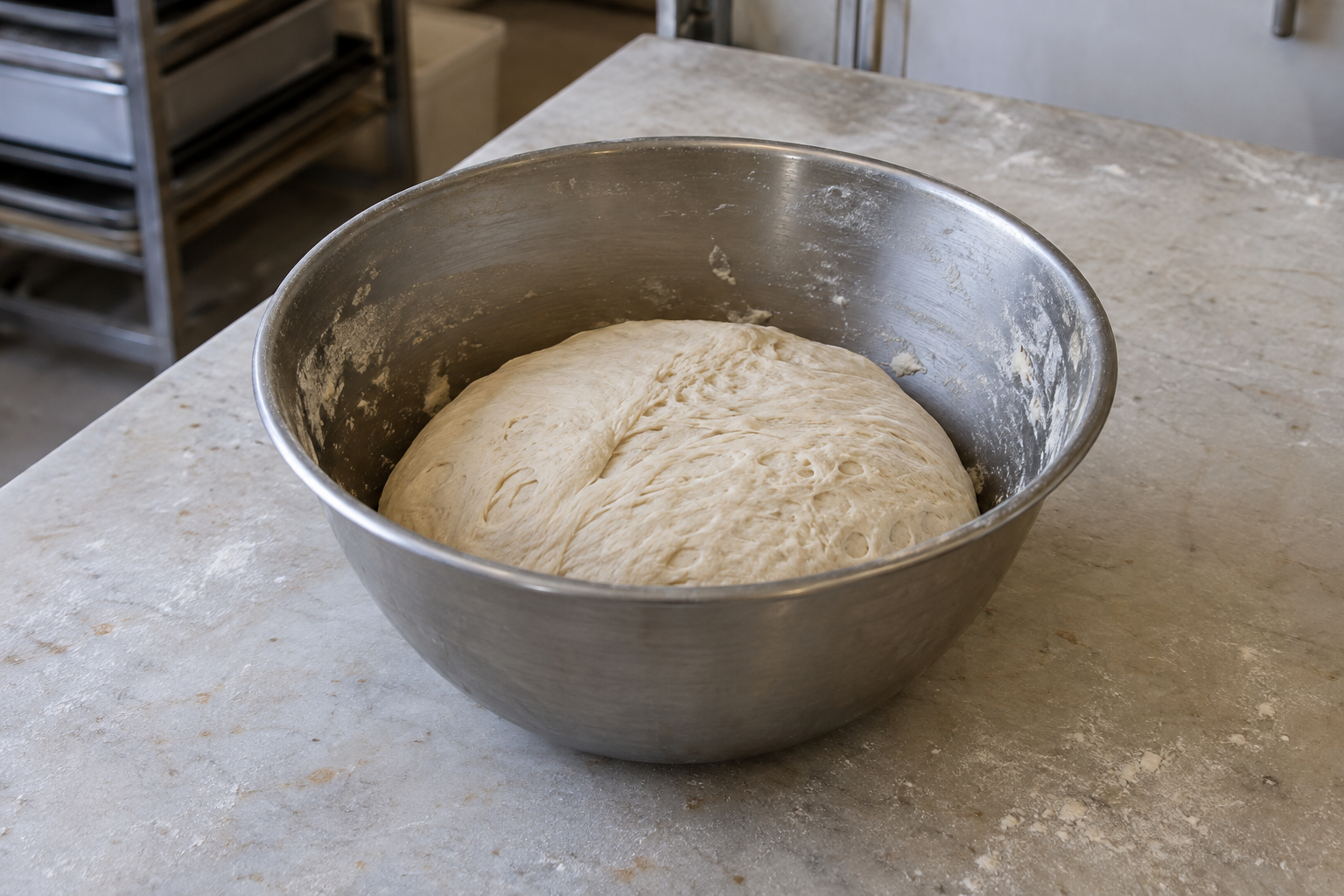
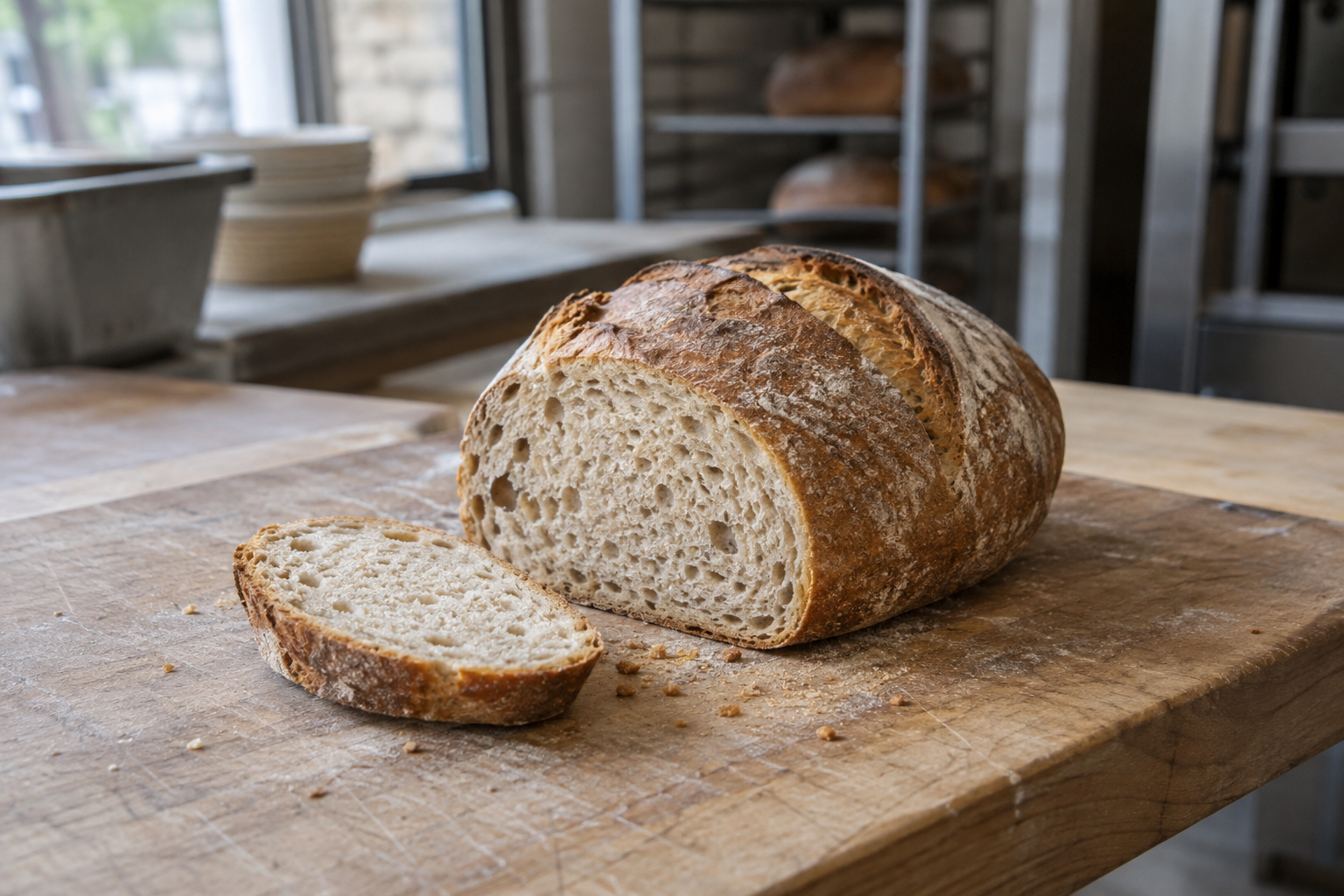
Good flour reveals its true value only when given time. As the dough ferments, its aroma, flavour, and texture develop gradually. We give this process the time it needs. At BORISSOU PARIS, flour and fermentation are allowed to work together at their natural pace. We carefully manage the temperature, hydration, and fermentation time. The result is bread with the flavour and texture of the grain at its heart.
07 / 08
Why We Do Not Compromise
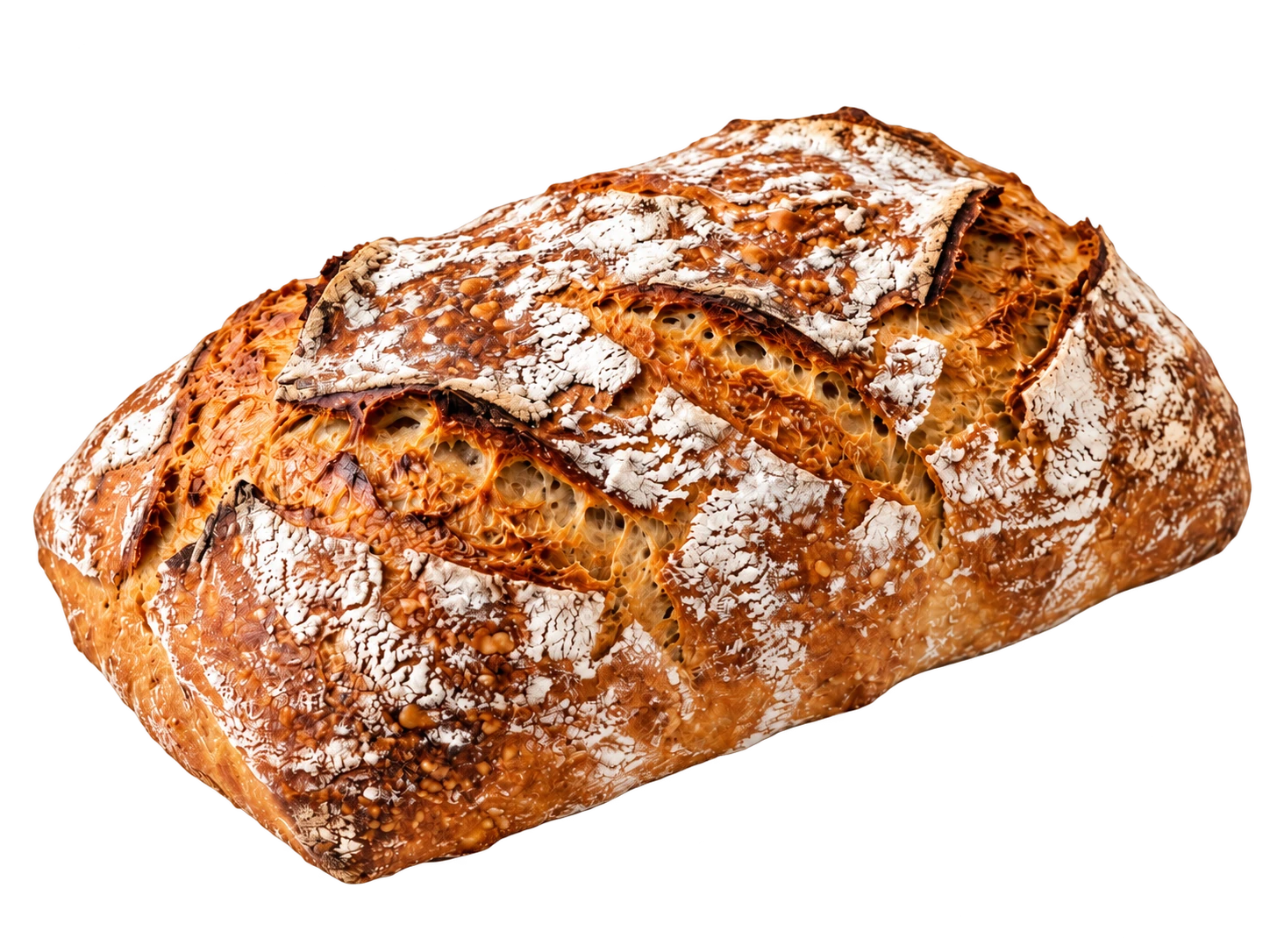
Using high-quality flour requires discipline. It demands longer fermentation, stricter control, and smaller production volumes. These are choices we make to maintain the quality of our bread.
They allow us to bake bread that aligns with our philosophy:
- No additives
- No preservatives
- No artificial enhancers
Grain, water, salt, a natural starter, and time.
08 / 08
Flour as Responsibility
An Ethical Choice
Choosing a mill means considering both its flour and the people and land behind it. It reflects how we value farmers, land, tradition, and the people who eat our bread every day. Every loaf brings together the work of the farmer, the miller, and the baker. We give the source of our flour the same attention as the finished bread. This is where our bread begins.