Our Flour
Our Flour
Our Flour
The Foundation of Real Bread
Our Beginning
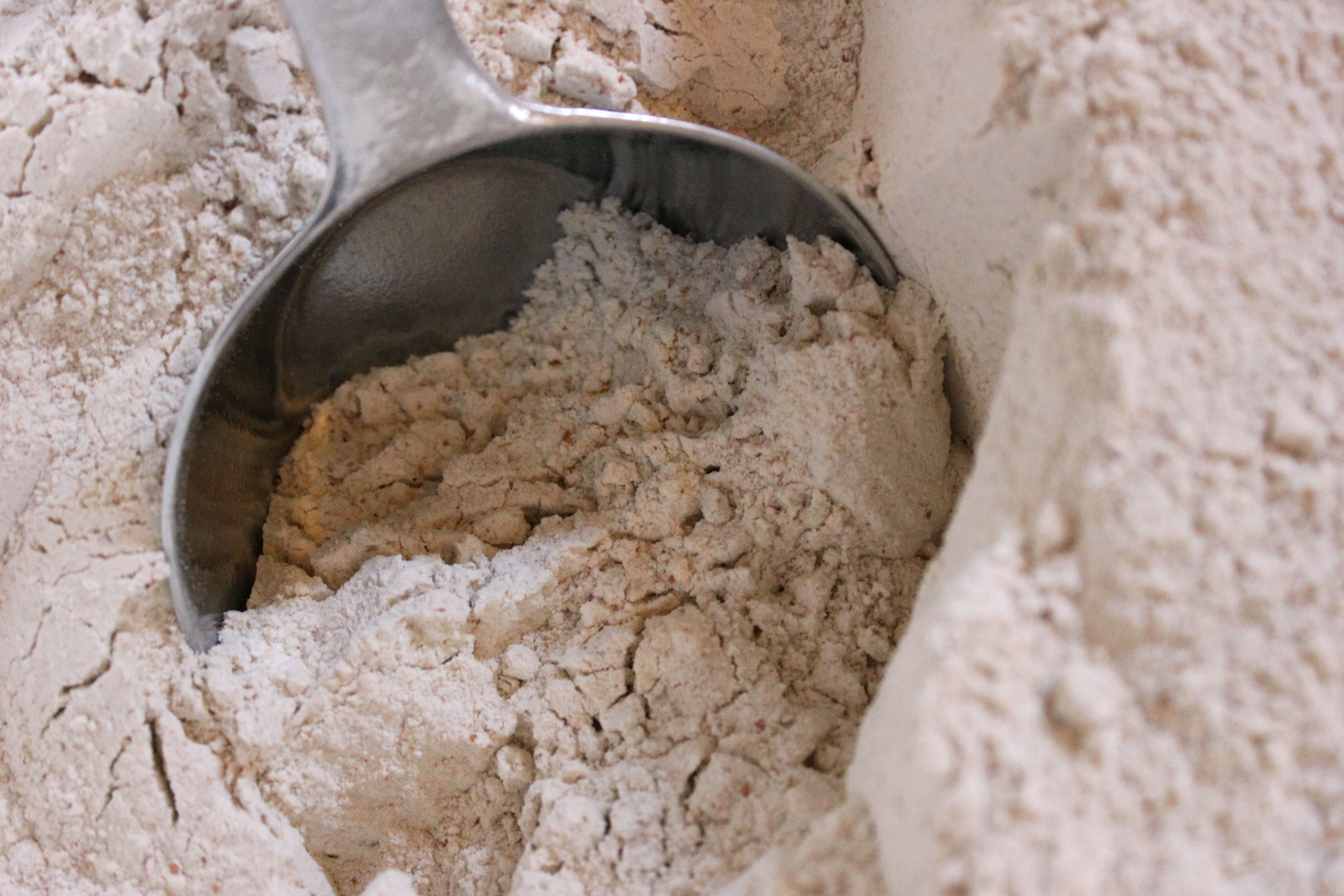
At BORISSOU PARIS, flour is never just an ingredient.
It is the origin of everything we bake.
The quality, digestibility, and integrity of our bread are determined long before fermentation begins—
by the flour we choose, the grain it comes from, and the mills we trust.
Flour defines how dough behaves, how fermentation unfolds, and ultimately how bread is experienced on the table.
For us, choosing flour is the first and most important decision we make every day.
Our Milling Partner
Moulins Bourgeois
Founded in 1895 · France
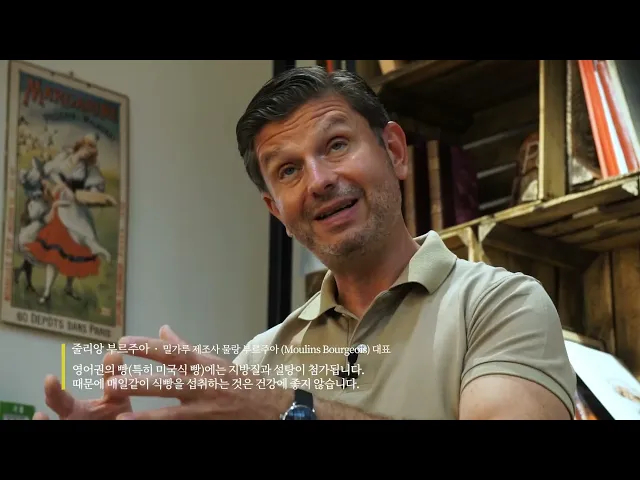
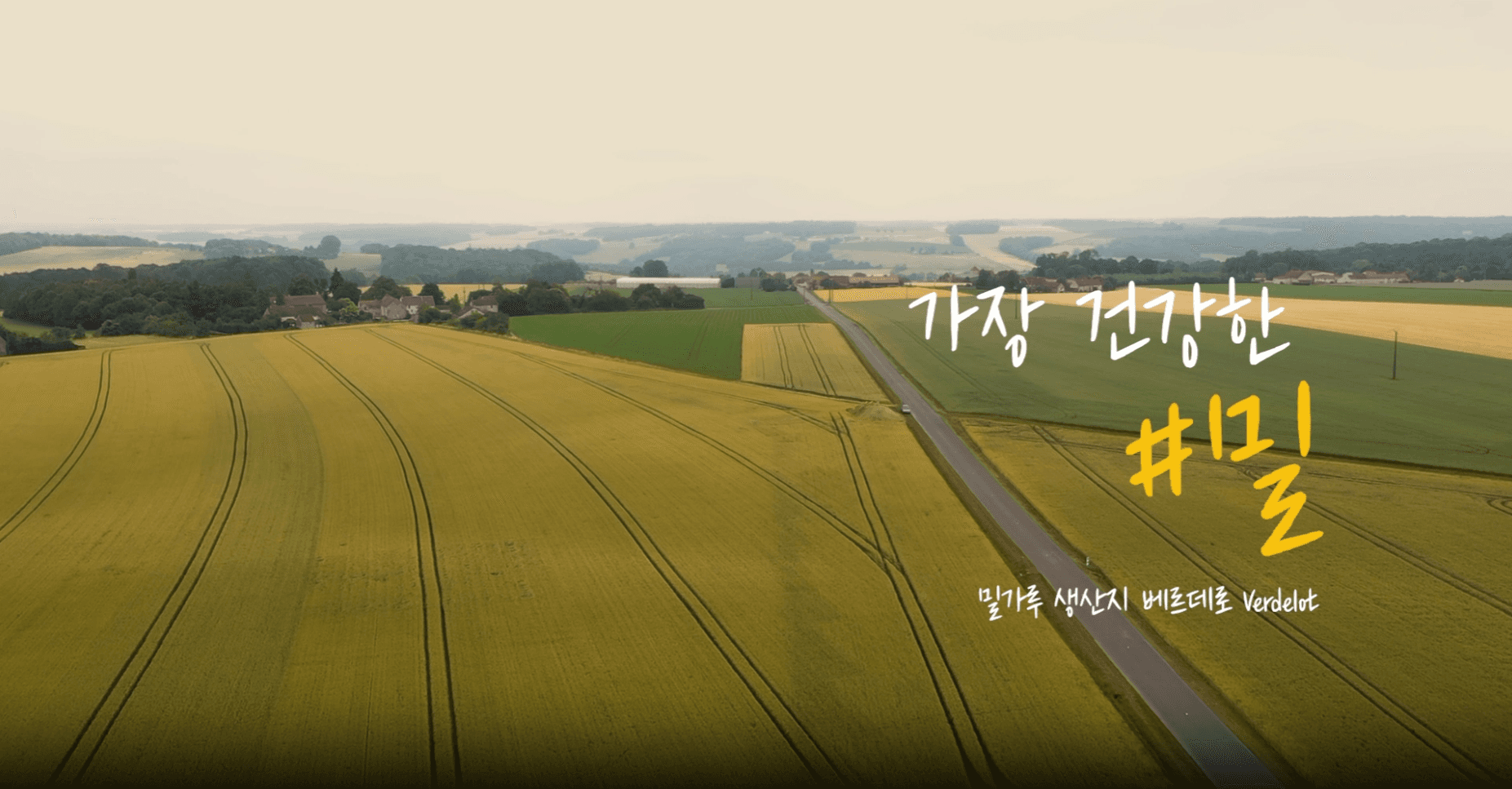
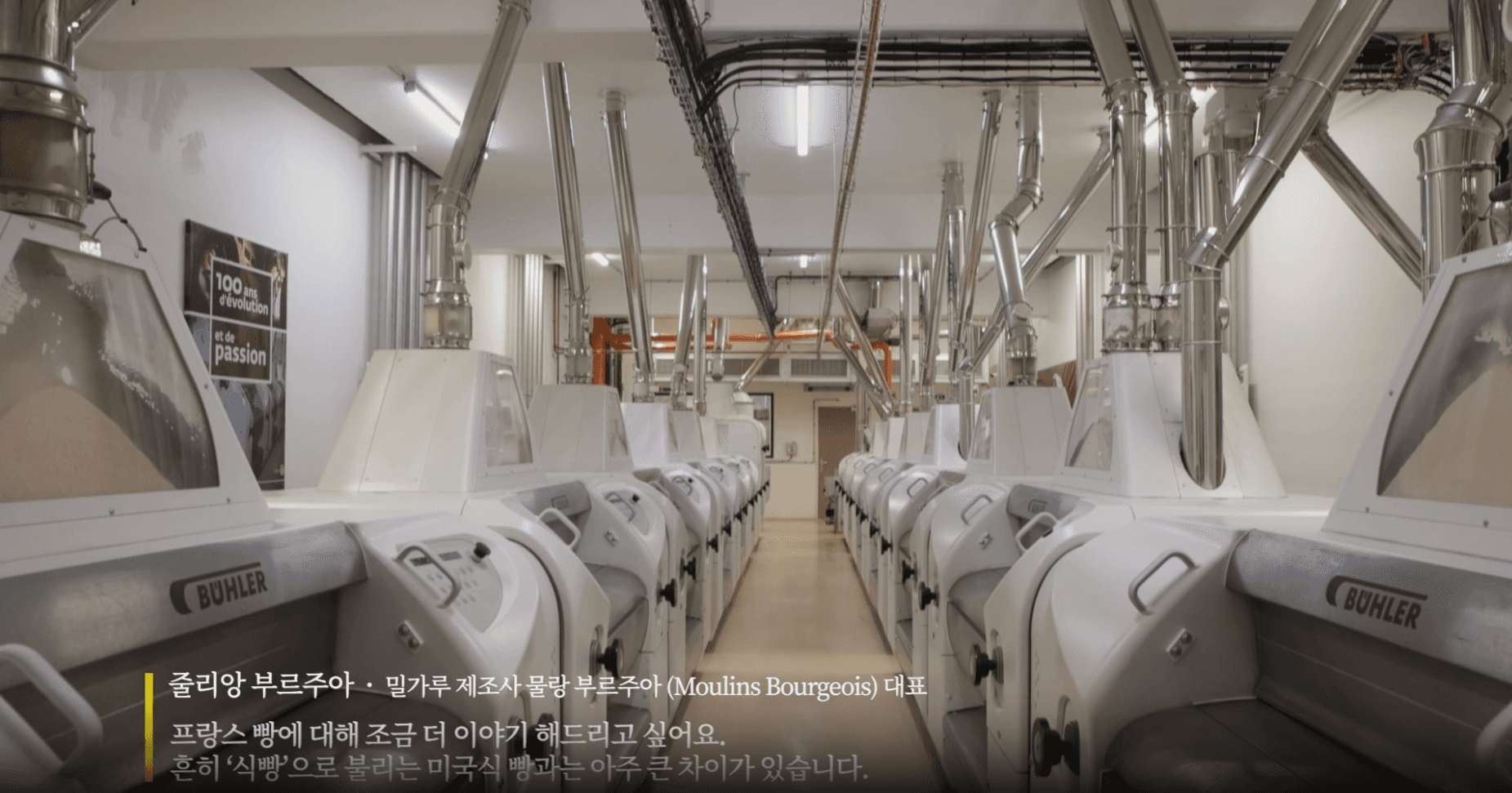
BORISSOU PARIS sources its primary flour from Moulins Bourgeois, a historic French miller with more than a century of expertise in traditional milling.
Established in 1895, Moulins Bourgeois has built its reputation by preserving the natural character of French wheat while maintaining exceptional consistency and purity.
Rather than prioritizing industrial speed or volume, the mill focuses on grain origin, soil health, and long-term partnerships with farmers.
🔗 Official Website
https://www.moulins-bourgeois.com
Milling Philosophy & Standards
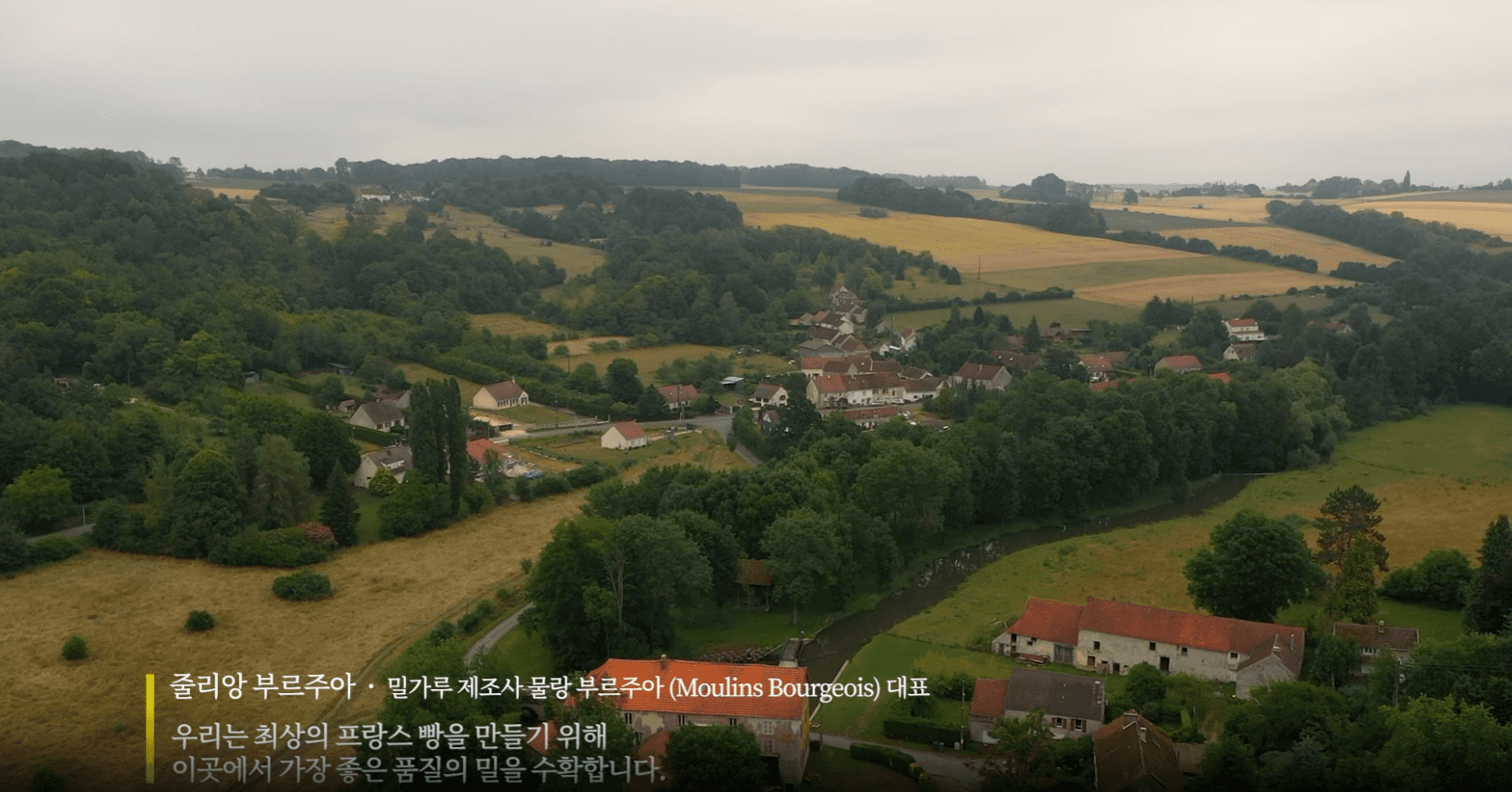
Moulins Bourgeois works exclusively with 100% French-grown wheat, ensuring complete traceability from field to flour.
Every step of the milling process is designed to protect ingredient integrity rather than maximize efficiency.
Their standards include:
Full control over grain sourcing and milling
Strict separation between organic and conventional flour
A zero-tolerance Non-GMO policy
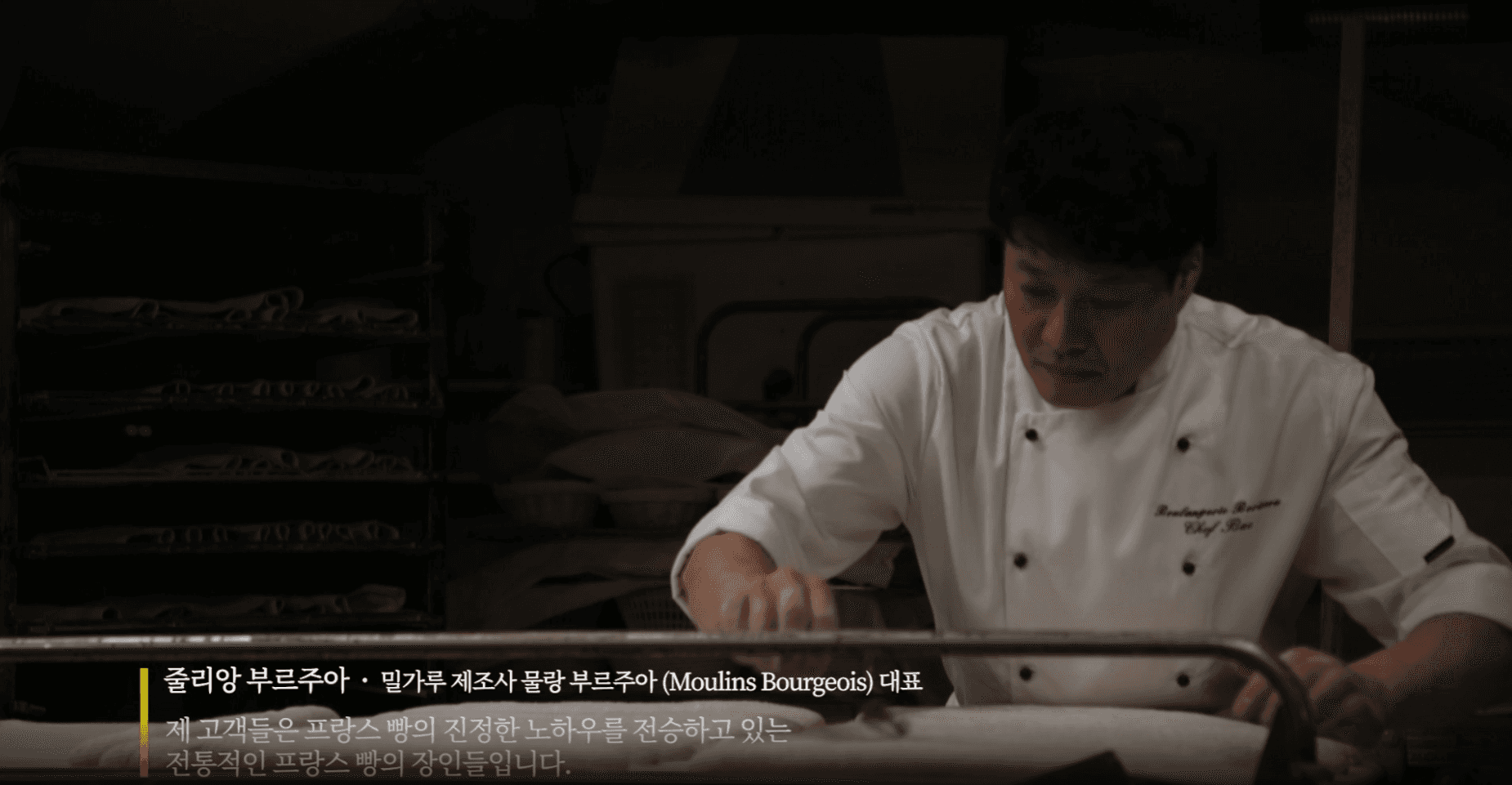
Collaboration with over 180 artisan bakers across France
This shared philosophy allows BORISSOU PARIS to bake bread that remains faithful to true French artisan tradition—bread shaped by origin, not shortcuts.
Organic Commitment
EU Organic (Euro Leaf) Standard
The organic flour used at BORISSOU PARIS follows EU Organic (Euro Leaf) certification requirements, among the most rigorous standards in the world.
These standards ensure:
A minimum of 95% certified organic agricultural ingredients
Thorough verification of all remaining components
Absolute prohibition of genetically modified organisms (Non-GMO)
Continuous evaluation of soil sustainability, biodiversity, and environmental responsibility
For us, organic sourcing is not a marketing claim.
It is a responsibility—to the land, to the farmers, and to those who eat our bread every day.
Ancient Grains & Grain Diversity
Preserving What Time Has Proven
Modern wheat has been heavily hybridized to increase yield, uniformity, and speed.
While efficient, this process often sacrifices nutritional balance, digestibility, and flavor.
Ancient grains, by contrast, have remained genetically unchanged for thousands of years.
They carry the diversity, resilience, and structure that modern agriculture frequently loses.
At BORISSOU PARIS, we work with ancient grains such as:
Petit Epeautre (Einkorn)
One of the earliest cultivated grains in human history, naturally lower in gluten and rich in minerals, antioxidants, and protein.
Kamut (Khorasan Wheat)
An ancient grain known for its high protein content, mineral density, and balanced digestibility, cultivated since ancient civilizations.
These grains offer:
Naturally lower gluten levels
Higher mineral and protein content
Improved digestibility
Distinct, expressive flavor profiles
Grain diversity matters. It protects human health, supports sustainable agriculture, and preserves the future of bread itself.
Flour, Fermentation & Time
Letting Nature Do the Work
Good flour reveals its true value only when given time.
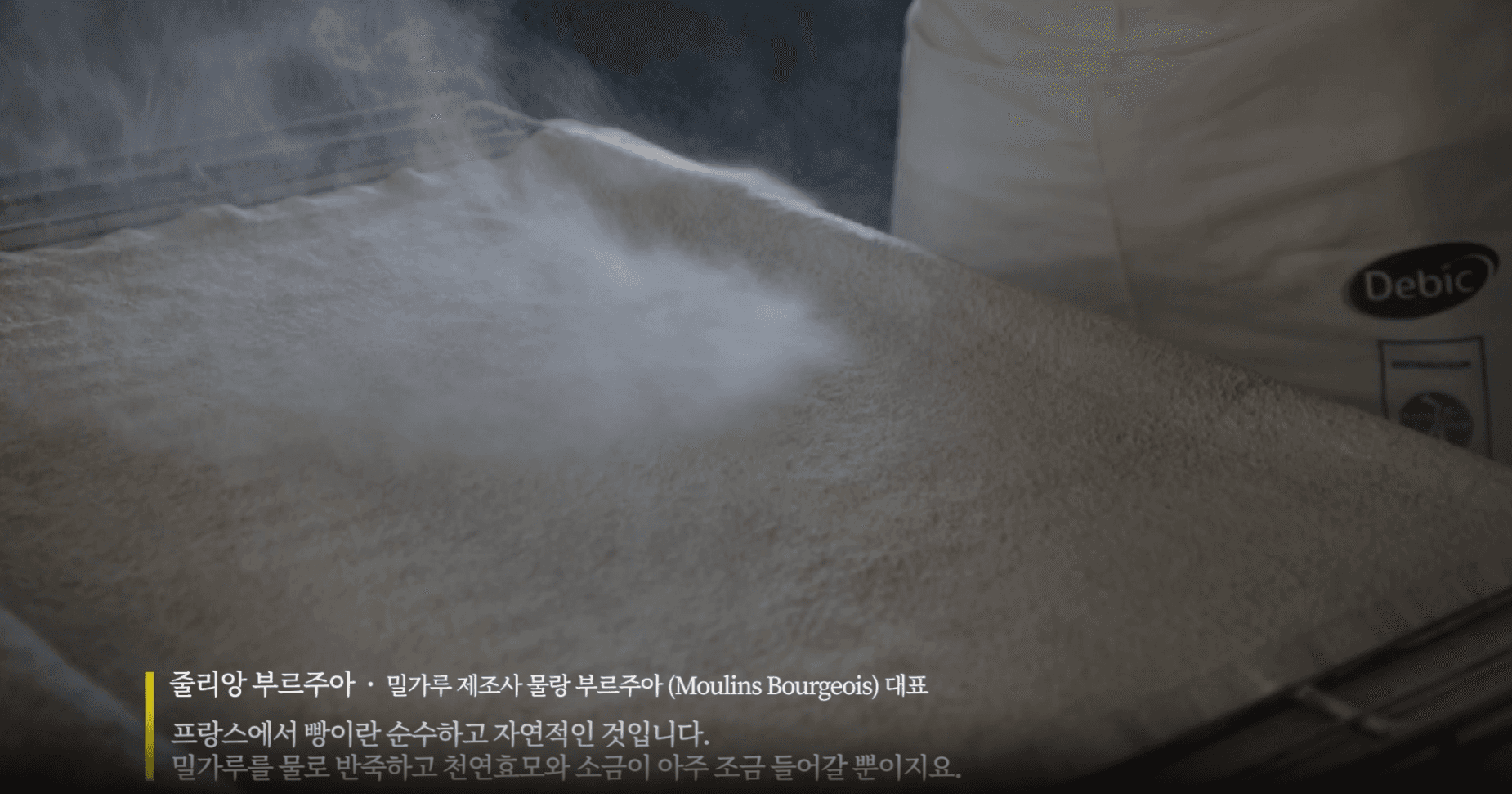
Natural fermentation allows enzymes to slowly break down complex starches and proteins, transforming grain into bread that is both easier to digest and richer in flavor.
This process cannot be rushed or replicated through additives or artificial enhancers.
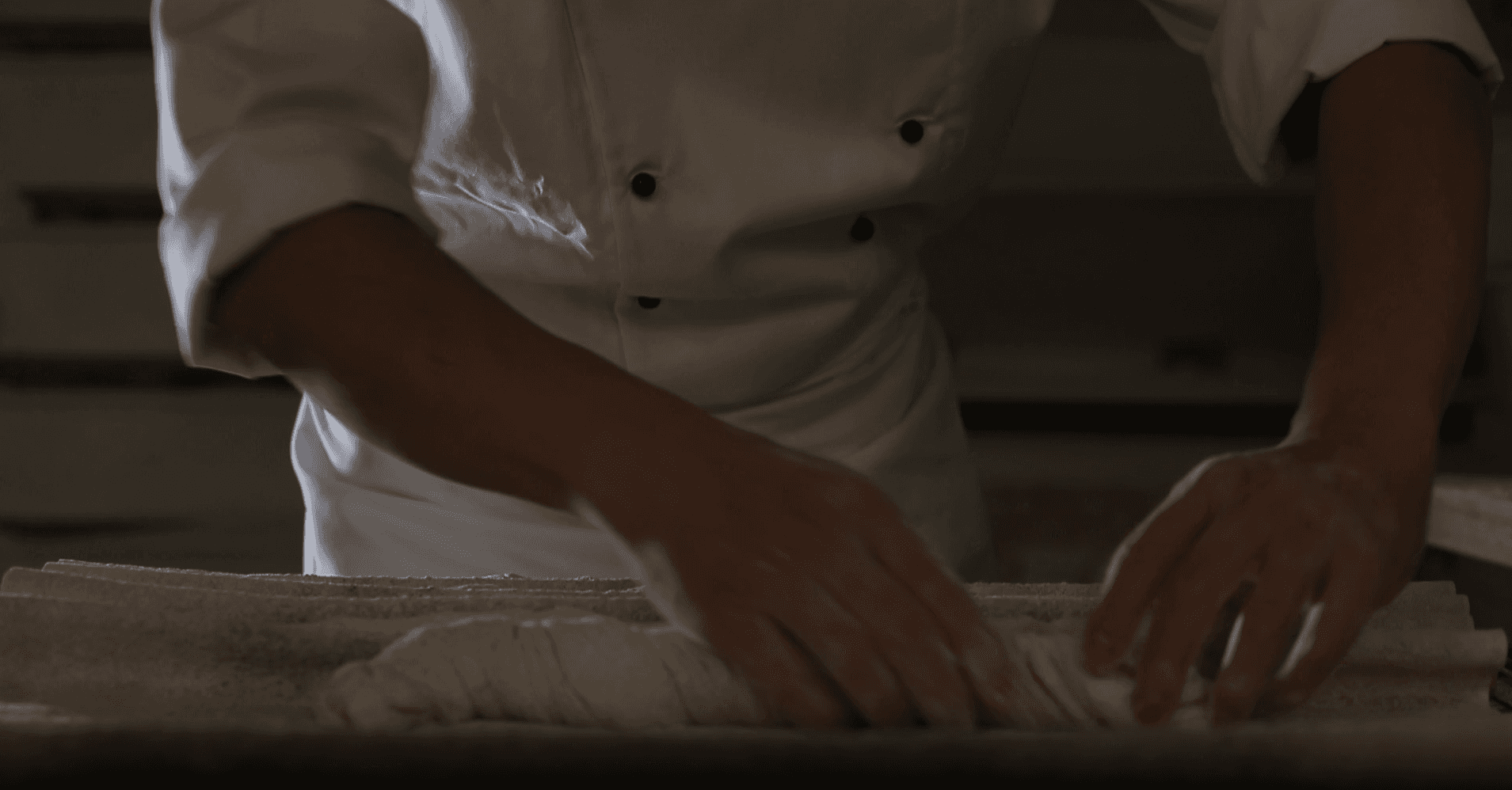
At BORISSOU PARIS, flour and fermentation are allowed to work together at their natural pace.
Temperature, hydration, and time are respected—not forced.
This quiet partnership between grain and time defines the character, balance, and depth of our bread.
Why We Do Not Compromise
Using high-quality flour requires discipline.
It demands longer fermentation, stricter control, and smaller production volumes.
These choices are not efficient—but they are essential.
They allow us to bake bread that aligns with our philosophy:
No additives
No preservatives
No artificial enhancers
Only grain, water, salt, yeast, and time.
Flour as Responsibility
An Ethical Choice
Choosing a mill is not a technical decision—it is an ethical one.
It reflects how we value farmers, land, tradition, and the people who eat our bread every day.
Each loaf carries the history of the field, the knowledge of the mill, and the integrity of the baker.
At BORISSOU PARIS, flour is treated with respect because it deserves it.
This is where our bread begins.

Our Flour
The Foundation of Real Bread
Our Beginning
At BORISSOU PARIS, flour is never just an ingredient.
It is the origin of everything we bake.
The quality, digestibility, and integrity of our bread are determined long before fermentation begins—
by the flour we choose, the grain it comes from, and the mills we trust.
Flour defines how dough behaves, how fermentation unfolds, and ultimately how bread is experienced on the table.
For us, choosing flour is the first and most important decision we make every day.
Our Milling Partner
Moulins Bourgeois
Founded in 1895 · France
BORISSOU PARIS sources its primary flour from Moulins Bourgeois, a historic French miller with more than a century of expertise in traditional milling.
Established in 1895, Moulins Bourgeois has built its reputation by preserving the natural character of French wheat while maintaining exceptional consistency and purity.
Rather than prioritizing industrial speed or volume, the mill focuses on grain origin, soil health, and long-term partnerships with farmers.
🔗 Official Website
https://www.moulins-bourgeois.com
Milling Philosophy & Standards
Moulins Bourgeois works exclusively with 100% French-grown wheat, ensuring complete traceability from field to flour.
Every step of the milling process is designed to protect ingredient integrity rather than maximize efficiency.
Their standards include:
Full control over grain sourcing and milling
Strict separation between organic and conventional flour
A zero-tolerance Non-GMO policy
Collaboration with over 180 artisan bakers across France
This shared philosophy allows BORISSOU PARIS to bake bread that remains faithful to true French artisan tradition—bread shaped by origin, not shortcuts.
Organic Commitment
EU Organic (Euro Leaf) Standard
The organic flour used at BORISSOU PARIS follows EU Organic (Euro Leaf) certification requirements, among the most rigorous standards in the world.
These standards ensure:
A minimum of 95% certified organic agricultural ingredients
Thorough verification of all remaining components
Absolute prohibition of genetically modified organisms (Non-GMO)
Continuous evaluation of soil sustainability, biodiversity, and environmental responsibility
For us, organic sourcing is not a marketing claim.
It is a responsibility—to the land, to the farmers, and to those who eat our bread every day.
Ancient Grains & Grain Diversity
Preserving What Time Has Proven
Modern wheat has been heavily hybridized to increase yield, uniformity, and speed.
While efficient, this process often sacrifices nutritional balance, digestibility, and flavor.
Ancient grains, by contrast, have remained genetically unchanged for thousands of years.
They carry the diversity, resilience, and structure that modern agriculture frequently loses.
At BORISSOU PARIS, we work with ancient grains such as:
Petit Epeautre (Einkorn)
One of the earliest cultivated grains in human history, naturally lower in gluten and rich in minerals, antioxidants, and protein.
Kamut (Khorasan Wheat)
An ancient grain known for its high protein content, mineral density, and balanced digestibility, cultivated since ancient civilizations.
These grains offer:
Naturally lower gluten levels
Higher mineral and protein content
Improved digestibility
Distinct, expressive flavor profiles
Grain diversity matters. It protects human health, supports sustainable agriculture, and preserves the future of bread itself.
Flour, Fermentation & Time
Letting Nature Do the Work
Good flour reveals its true value only when given time.
Natural fermentation allows enzymes to slowly break down complex starches and proteins, transforming grain into bread that is both easier to digest and richer in flavor.
This process cannot be rushed or replicated through additives or artificial enhancers.
At BORISSOU PARIS, flour and fermentation are allowed to work together at their natural pace.
Temperature, hydration, and time are respected—not forced.
This quiet partnership between grain and time defines the character, balance, and depth of our bread.
Why We Do Not Compromise
Using high-quality flour requires discipline.
It demands longer fermentation, stricter control, and smaller production volumes.
These choices are not efficient—but they are essential.
They allow us to bake bread that aligns with our philosophy:
No additives
No preservatives
No artificial enhancers
Only grain, water, salt, yeast, and time.
Flour as Responsibility
An Ethical Choice
Choosing a mill is not a technical decision—it is an ethical one.
It reflects how we value farmers, land, tradition, and the people who eat our bread every day.
Each loaf carries the history of the field, the knowledge of the mill, and the integrity of the baker.
At BORISSOU PARIS, flour is treated with respect because it deserves it.
This is where our bread begins.